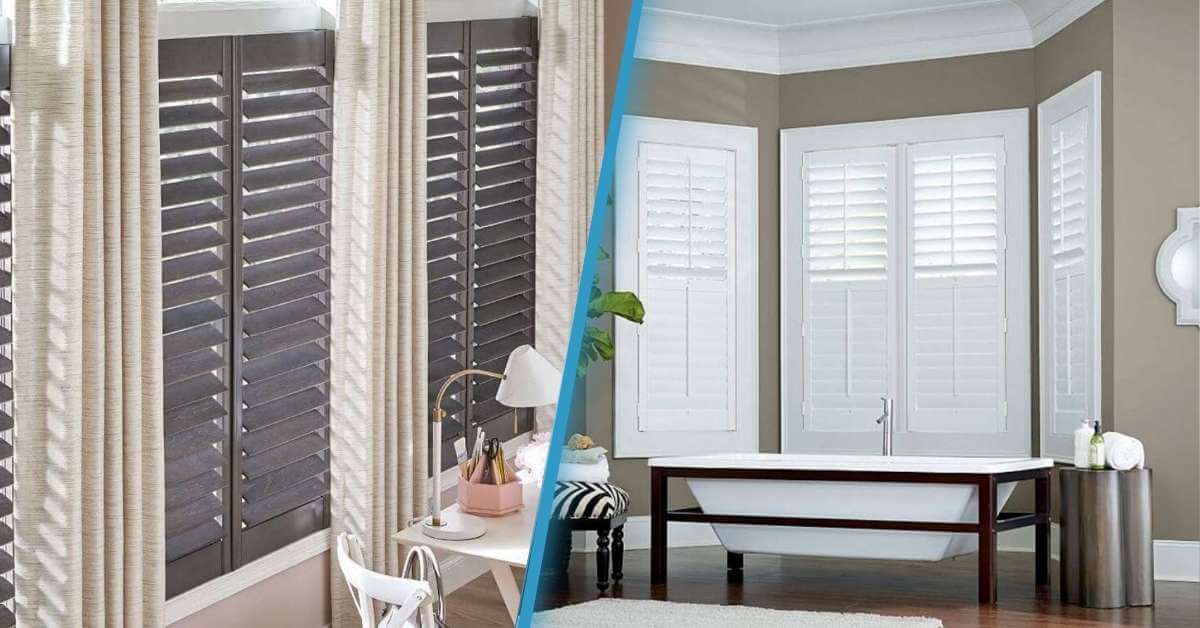
Choosing the right shutters for your North Carolina home can be overwhelming, especially when considering the beauty of natural wood versus the practicality of composite materials. Do you go for timeless charm or low-maintenance durability? What holds up better in our humid summers or near the coast? If you’re stuck in the wood vs composite shutters debate, you’re not alone. This guide breaks down the pros and cons of each option, allowing you to make an informed decision that aligns with your home, lifestyle, and budget.
Understanding the Basics: Wood and Composite Shutters
What Are Wood Shutters?

Wood shutters are made from solid hardwoods like basswood, poplar, or oak. They’re known for their classic aesthetics, rich grain patterns, and ability to be stained or painted for a fully customized look. For traditional or historic homes in North Carolina, wood shutters often blend beautifully with the architectural style.
What Are Wood Shutters?

Composite shutters (sometimes called faux wood shutters) are made from engineered materials such as medium-density fiberboard (MDF) wrapped in vinyl or polypropylene. They mimic the look of real wood but are designed to be more resistant to moisture, warping, and UV damage.
Comparing Key Factors: Wood vs. Composite Shutters
1. Durability and Climate Suitability
Wood Shutters:
While stunning, real wood can be sensitive to North Carolina’s climate. In humid or coastal areas like Wilmington or Bald Head Island, wood shutters are more prone to warping and cracking if not properly sealed and maintained.
Composite Shutters:
Composite shutters are engineered to withstand moisture and heat, making them an ideal option for bathrooms, kitchens, and homes near the coast. They’re less likely to swell or crack under humid conditions, which is a major advantage for many NC homeowners.
2. Maintenance and Longevity
Wood Shutters:
Wood requires a bit more upkeep to maintain its finish and prevent damage. Occasional refinishing or sealing may be necessary, especially in high-humidity areas. However, with proper care, wood shutters can last for decades.
Composite Shutters:
Low-maintenance and easy to clean, composite shutters typically only need occasional wiping with a damp cloth. They’re less likely to show wear and tear over time, making them a more practical choice for busy households.
3. Aesthetics and Customization
Wood Shutters:
There’s no true substitute for the warm, organic feel of real wood. If you value authenticity and intricate detailing, wood shutters offer unmatched curb appeal. They can be customized in virtually any stain or color, allowing for complete personalization.
Composite Shutters:
While composite shutters mimic the look of wood, they may lack the depth and natural texture. That said, they come in a variety of standard colors and finishes and offer a clean, uniform appearance that suits modern and transitional interiors well.
4. Energy Efficiency and Insulation
Wood Shutters:
Wood is a natural insulator and can provide excellent thermal protection, helping maintain indoor comfort during North Carolina’s changing seasons. They can contribute to lower energy bills, especially in drafty or older homes.
Composite Shutters:
Composite shutters also offer solid insulation and UV resistance, keeping your interiors cooler in the summer and warmer in the winter. Many composite options are engineered with energy efficiency in mind, making them a smart choice year-round.
5. Cost and Budget Considerations
Wood Shutters:
Due to the material and craftsmanship involved, wood shutters are generally more expensive upfront. However, their long-term value and visual appeal can boost your home’s resale value and aesthetic.
Composite Shutters:
More budget-friendly than their wood counterparts, composite shutters offer excellent value for homeowners who want the look of wood without the price tag. They’re a great option for families or anyone outfitting multiple windows at once.
6. Installation and Warranty
Both types are typically installed by professionals, and many manufacturers offer warranties, often longer for composite products due to their engineered durability. When choosing, ask about specific warranties and installation practices tailored to the North Carolina environment.
Final Thoughts: Which Should You Choose?
There’s no one-size-fits-all answer to the wood vs composite shutters debate—it depends on your home’s location, your style preferences, and how much maintenance you’re comfortable with. In areas with high humidity or salt air, composite shutters provide peace of mind with less upkeep. In drier, more temperate inland regions, wood shutters may shine both literally and figuratively.
FAQs About Wood and Composite Shutters
1. Can composite shutters be painted to match my home’s decor?
Most composite shutters come in pre-finished colors and are not designed to be painted. However, some high-end composite options may allow for limited customization. It’s best to consult your window treatment provider for compatible products.
2. Are there eco-friendly options for wood or composite shutters?
Yes. Many wood shutters are made from sustainably harvested timber, and some composite materials use recycled content. Ask about certifications like FSC (Forest Stewardship Council) when exploring environmentally conscious options.
3. How do I choose between shutters and other window treatments like blinds or shades?
Shutters are a long-term investment that adds architectural interest and increases home value. Blinds and shades offer more flexible style and light-filtering options. If you’re prioritizing structure and insulation, shutters are the clear winner.
A Choice That Reflects Your Lifestyle
Whether you’re drawn to the rich textures of wood shutters or the hassle-free practicality of composite shutters, both bring unique benefits to North Carolina homes. The decision often comes down to balancing style with sustainability, and budget with performance—especially in a state with such varied geography and climate.
At Unique Perspective Window Coverings, we understand how important it is to choose shutters that meet both the aesthetic and functional needs of your home. From humid coastal towns to cooler mountain areas, we help homeowners across North Carolina find customized solutions that stand the test of time.
Ready to explore your shutter options?
Let’s talk about your space, your climate, and what fits your vision best. Schedule your free consultation today and get expert advice on finding the right window treatment for your North Carolina home.