

Choosing between vertical blinds vs horizontal blinds often comes down to how you use your space, your window size, and your preferred balance of privacy and light control. Both options offer practical advantages in window treatments, but their slat orientation changes how they function, look, and perform over time. This guide breaks down the differences so homeowners can confidently select window coverings that match their lifestyle, interior design goals, and daily needs.
Understanding Slat Orientation: The Key Difference
The biggest distinction between vertical blinds and horizontal blinds is the direction of the slats.
- Vertical blinds feature long vanes that hang from top to bottom.
- Horizontal blinds use shorter slats stacked across the width of the window.
This difference affects everything from cleaning blinds to how they manage sunlight.
Vertical Blinds

Vertical blinds are commonly used for:
- Sliding doors and patio entrances
- Wide window openings
- Floor-to-ceiling glass areas
Their vertical slat orientation allows them to stack neatly to one side, making them practical for high-traffic spaces.
Horizontal Blinds

Horizontal blinds are typically chosen for:
- Standard windows
- Bedrooms and offices
- Smaller or medium-sized openings
Their layered structure gives precise light control and creates a classic window fashion look.
Light Control, Privacy, and Everyday Function
When comparing vertical blinds vs. horizontal blinds, homeowners often prioritize privacy and sunlight management.
Vertical blinds:
- Provide smooth light diffusion for large glass surfaces
- Reduce glare effectively
- Work well for room darkening when fully closed
Horizontal blinds:
- Offer finer light adjustment due to tighter slat spacing
- Allow subtle privacy control without fully closing
- Create layered shadows that add visual depth to home decor
If your goal is flexible light filtering throughout the day, horizontal blinds may feel more adjustable. For broad coverage across wide spaces, vertical blinds are often more practical.
Materials, Durability, and Maintenance
Material choice impacts durability, moisture resistance, and cleaning requirements.
Material Type | Best Use | Key Benefits |
Wood blinds | Living rooms, offices | Warm aesthetic, strong design appeal |
Faux wood | Kitchens, bathrooms | Moisture resistance, easy maintenance |
Aluminum blinds | Modern interiors | Lightweight, durable |
Vinyl slats | Sliding doors | Affordable, flexible, easy cleaning |
Vertical blinds frequently use vinyl slats or fabric panels, making them resilient for daily movement. Horizontal blinds, especially faux wood or aluminum blinds, are valued for durability and structured appearance.
Cleaning blinds is another consideration. Vertical slats are easier to wipe individually, while horizontal blinds may require dusting across multiple layers.
Window Size and Installation Considerations
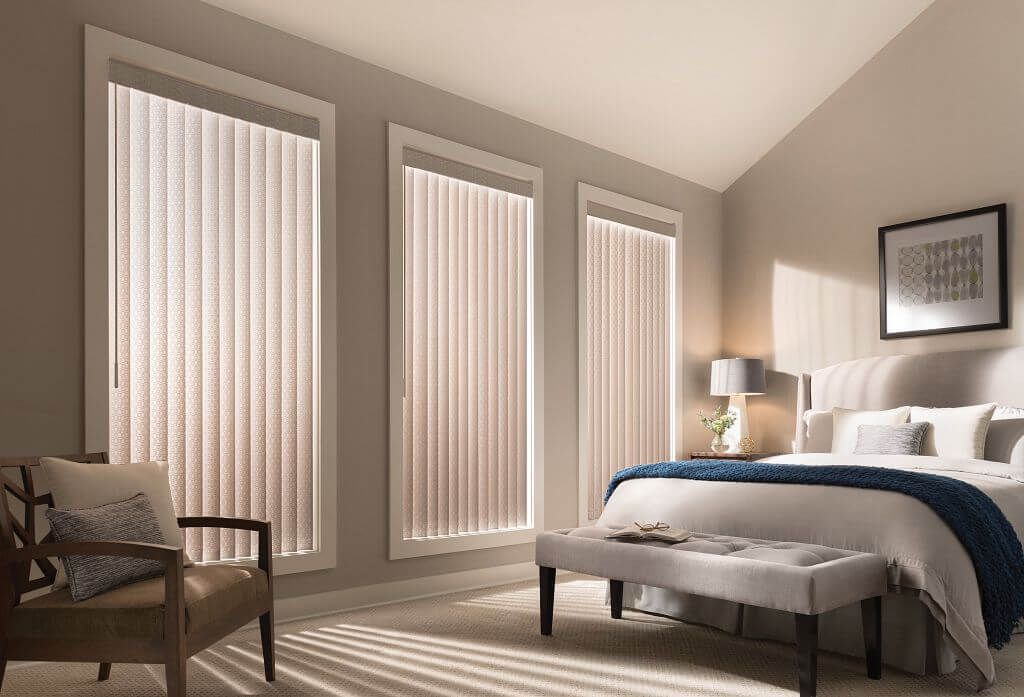

Choosing the right orientation depends heavily on window width and height.
- Vertical blinds work best for large windows and wide spans, particularly sliding doors.
- Horizontal blinds suit standard window proportions where the width is less than the height.
Mounting hardware and installation also vary. Vertical systems use track mechanisms, while horizontal blinds rely on ladder strings and tilt systems. Modern cordless options and motorized blinds are available for both styles, improving safety and convenience.
Design Style and Interior Impact
Your window treatments should support your overall interior design.
Vertical blinds tend to create:
- Clean vertical lines
- Contemporary or minimal aesthetics
- Practical solutions for open layouts
Horizontal blinds often deliver:
- Traditional or transitional style
- Textural layering with wood blinds or faux wood finishes
- Greater visual detail in window coverings
Ultimately, the choice reflects how you want your window fashion to complement furniture, architectural lines, and daily routines.
Vertical Blinds vs Horizontal Blinds: Quick Comparison
- Choose vertical blinds if you have sliding doors, oversized windows, or want easy operation across wide openings.
- Choose horizontal blinds if you prefer precise light control, classic styling, and versatility across different rooms.
- Consider moisture resistance, durability, and cleaning preferences when selecting materials.
Finding the Right Fit for Your Space
Deciding between vertical blinds vs horizontal blinds is less about which is better and more about which aligns with your window size, lifestyle, and aesthetic goals. Vertical designs excel for wide expanses and sliding doors, while horizontal blinds provide refined control and timeless style for standard windows. By evaluating privacy needs, maintenance expectations, and design preferences, homeowners can choose a solution that feels both practical and visually cohesive.
If you’re still weighing your options, the team at Unique Perspective Window Coverings can help you compare materials, finishes, and installation approaches based on your specific space. A personalized consultation can clarify which slat orientation delivers the comfort, functionality, and style your home needs. Reach out to us today!


