

When selecting window treatments for your home, two popular options often come up: single cell and double cell honeycomb shades. Both provide excellent insulation and can help lower your energy bills, but how do you choose between the two? In this guide, we’ll compare the two types of cellular shades based on key factors like insulation, energy efficiency, light control, and overall performance.
Understanding Single Cell vs. Double Cell Shades
Single Cell Shades

Single cell shades are made with one layer of honeycomb-shaped cells that trap air. This design allows for some level of insulation and offers a lightweight, sleek appearance. They are ideal for spaces where insulation is important, but you don’t need the highest level of thermal protection.
Double Cell Shades
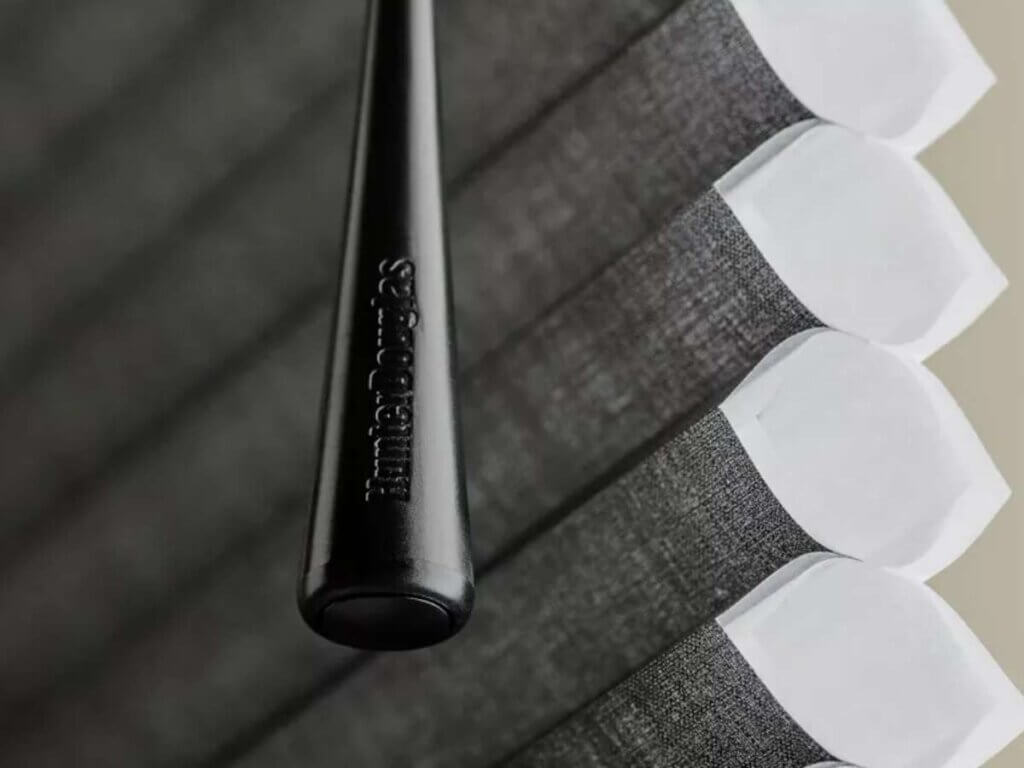
Double cell shades feature two layers of honeycomb cells, creating more insulation and enhancing energy efficiency. The added layers of air pockets provide a better thermal barrier and make double cell shades an ideal choice for climates with extreme temperatures or homeowners looking for superior insulation.
Insulation and Energy Efficiency: Which Offers Better Climate Control?
One of the most important aspects to consider when selecting cellular shades is the level of insulation they provide. Insulated shades are designed to reduce heat transfer, keeping your home warmer in the winter and cooler in the summer.
- Single Cell Shades: These shades offer basic insulation and can help reduce heat loss. Their simple design allows for moderate energy savings, making them a good option for mild climates or homes with mild seasonal temperature shifts.
- Double Cell Shades: With two layers of honeycomb pockets, double cell shades provide superior insulation, improving your home’s energy efficiency. These shades have a higher R-value, which is a measure of thermal resistance, meaning they can significantly lower heating and cooling costs. If you live in an area with extreme temperatures or want to maximize energy savings, double cell shades are a superior choice.
R-Value Comparison: Which Shade Offers the Best Insulation?
The R-value is a key metric for evaluating the insulation properties of your window treatments. The higher the R-value, the better the insulation. Here’s how single and double cell shades compare:
Shade Type | R-Value | Best For |
Single Cell Shades | Often around 2–3+ | Moderate insulation in milder climates or most rooms |
Double Cell Shades | Often around mid‑3s–5+ | Higher insulation in colder/hotter or more drafty spaces |
Double cell shades outperform single cell shades in insulation by providing a larger air gap, which traps more air and prevents heat loss. This makes them a better choice for homes where energy efficiency is a top priority.
Light Control and Privacy: How Do They Compare?
Both single and double cell shades offer great light control and can be adjusted to suit your needs.
- Single Cell Shades: Single cell shades offer excellent light filtering and can be easily adjusted to allow more natural light into your space while still maintaining privacy. They are ideal for rooms where you need moderate light control and a modern look.
- Double Cell Shades: Double cell shades also offer great light control but can provide even better room darkening and privacy due to their thicker structure. They are perfect for bedrooms or media rooms where you want to block out as much light as possible. Some options even come in blackout fabrics for total darkness.
Additional Features: Noise Reduction and UV Protection
Both shades offer noise reduction benefits, with double cell shades providing more sound insulation due to their thicker construction. Double cell shades are also better at protecting your furniture from UV rays, as the added layers of fabric provide more protection against sun damage.
- Single Cell Shades: Offers basic noise reduction and UV protection with one layer of fabric.
- Double Cell Shades: Provides enhanced noise reduction and superior UV protection due to the extra layer of fabric.
Choosing the Right Option for Your Home
When choosing between single cell and double cell shades, consider the following factors:
- Climate: If you live in an area with extreme weather conditions, double cell shades will provide better insulation and energy efficiency.
- Energy Savings: Double cell shades are the more efficient option, offering superior insulation and helping to reduce heating and cooling costs.
- Light Control: Single cell shades offer a sleek, modern look with good light filtering, while double cell shades provide enhanced room darkening and privacy.
- Noise Reduction: Double cell shades offer better noise reduction, making them ideal for urban environments or noisy neighborhoods.
Which One Is Right For You?
Both single and double cell shades provide excellent window insulation and light control, but double cell shades offer superior energy efficiency, insulation, and noise reduction. If you live in a colder or hotter climate or want to maximize your home’s energy savings, double cell shades are the better option. However, if you’re looking for a sleek, lightweight option for moderate insulation, single cell shades will suit your needs.
Ready to improve your home’s energy efficiency and style with cellular shades? Contact Unique Perspective Window Coverings today to schedule a consultation and explore our wide selection of single and double cell shades!


