When it comes to selecting window treatments for your home, the options can be overwhelming. Shutters and shades each offer unique benefits, but how do you know which one will best fit your needs? Let’s break down the differences between the two and help you make a choice that will enhance both your home’s style and functionality. Whether you prioritize aesthetics, light control, privacy, or energy efficiency, we’ll guide you through what sets these window treatments apart.
The Basics of Shutters vs. Shades
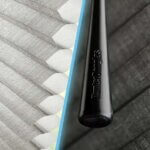
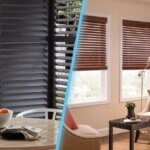
Before diving into the specifics, let’s quickly clarify what makes shutters and shades distinct. Shutters are typically made from wood, composite, or vinyl and are mounted directly onto the window frame, featuring adjustable horizontal slats (louvers). Shades, on the other hand, are made from fabric, vinyl, or cellular materials and are designed to cover the entire window. They operate by being raised or lowered and come in various styles, such as roller, Roman, and honeycomb.
Each of these options has its own set of advantages, so let’s dive deeper into the specific features that matter most.
Shutters: The Classic, Durable Choice
Aesthetic Appeal
Shutters are known for their timeless appeal. Whether you choose plantation shutters with wide louvers for a relaxed, casual look or a more traditional style for a classic touch, shutters can complement a wide variety of interior décor styles. Their structured design adds sophistication, making them a great fit for both modern and traditional homes. Plus, their custom-fit appearance provides a seamless, high-end look that can elevate your space.
Privacy and Light Control
Shutters excel in light control. The adjustable louvers allow you to easily direct light where you need it, and they also offer exceptional privacy. You can tilt the louvers to prevent prying eyes from peeking inside while still letting natural light flow into the room. For homes in more densely populated areas, shutters are a top choice for privacy without sacrificing brightness.
Durability and Longevity
Shutters are built to last. Made from durable materials like wood or composite, they stand up well to wear and tear. Shutters are less likely to fade or show signs of damage, making them a long-term investment that can last for decades with proper care. This durability means they’re less likely to need replacement, which offers significant cost savings over time.
Energy Efficiency
Shutters provide excellent insulation thanks to their solid construction. Wood and composite shutters, in particular, are great at keeping your home warmer in the winter and cooler in the summer, helping you save on energy costs. If energy efficiency is a priority, shutters are a fantastic choice.
Maintenance
While shutters require minimal upkeep, they do need occasional dusting and cleaning. You may need to periodically wipe down the louvers and check the hinges for smooth operation. With proper care, shutters maintain their pristine look and function for many years.
Shades: The Versatile, Stylish Alternative
Aesthetic Flexibility
Shades offer a wide range of styles and materials, making them a versatile choice for any room. From sleek roller shades to the elegance of Roman shades or the modern, energy-efficient honeycomb shades, you’ll find options to suit your personal style. The fabric or vinyl materials can bring a soft, flowing aesthetic that complements both casual and more formal interiors.
Privacy and Light Control
Like shutters, shades provide good light control. They can block out sunlight entirely with blackout options or filter light gently with light-filtering varieties. While shades can offer privacy, they tend to be less customizable than shutters, especially when it comes to precise light adjustments. However, for total blackout or light diffusion, shades can be a great solution.
Durability and Longevity
Shades are generally less durable than shutters. Fabric shades, especially, may fade or become worn over time, especially with frequent exposure to sunlight. While some materials, like vinyl, may last longer, shades generally need to be replaced more often than shutters. However, high-quality shades with motorization or durable fabrics can increase their lifespan.
Energy Efficiency
Shades can be quite energy-efficient, especially cellular shades. These shades feature a honeycomb design that traps air between the layers, providing insulation and helping to maintain a stable indoor temperature. This added layer of insulation can be especially beneficial in both hot and cold climates.
Maintenance
Shades are relatively easy to maintain. Most shades only require a light dusting or occasional vacuuming. Fabric shades may need more care, but they generally require less effort to clean than shutters. For those with busy lifestyles, motorized shades can add an extra layer of convenience, as they require less manual operation and may have self-cleaning options.
Cost Comparison: Shutters vs. Shades
When it comes to cost, shutters tend to be more expensive due to the materials used and the custom installation. The high-quality materials and craftsmanship involved in creating shutters result in a higher initial investment. However, shutters often provide better value in the long run due to their durability and longevity.
Shades, on the other hand, are generally more budget-friendly, especially for standard window sizes. The price of shades can vary depending on the style and material, but they tend to have a lower upfront cost. However, as shades may need to be replaced more frequently, the long-term cost can add up.
FAQs About Shutters vs. Shades
1. Which is better for energy efficiency, shutters or shades?
Shutters, especially those made from wood or composite, offer superior insulation and can help maintain a comfortable indoor temperature year-round. However, honeycomb shades are also highly energy-efficient due to their air-trapping design, making them an excellent choice for insulation.
2. Can shutters or shades improve my home’s privacy?
Both shutters and shades can provide enhanced privacy. Shutters offer adjustable louvers that allow you to control light and visibility, while shades provide full coverage of the window for complete privacy.
3. Are motorized options available for shutters and shades?
Yes, both shutters and shades offer motorized options. Motorized shutters are perfect for large windows, while motorized shades are ideal for those looking for convenience and modern technology.
Which One Should You Choose?
Both shutters and shades offer distinct advantages, and the decision ultimately depends on your priorities. If you value long-term durability, superior light control, and a classic aesthetic, shutters are the right choice for you. They provide lasting value and a high-end look that can elevate your home’s interior.
However, if you prefer a softer, more versatile style with a wide range of material and design options, shades are an excellent alternative. Shades offer a range of aesthetics, from sleek and modern to elegant and traditional, and can be a more affordable option depending on the style and material chosen.
Ready to make your decision? At Unique Perspective Window Coverings, we specialize in helping homeowners like you choose the perfect window treatments. Schedule a consultation today, and let our experts guide you to the ideal solution for your home!