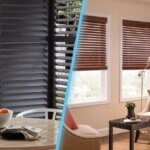
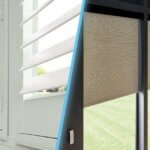
When it comes to upgrading your windows, the debate often comes down to blinds vs. shades. Both are popular window treatments that balance style and function, but they differ in design, material, and performance. Blinds typically feature slats made of wood, faux wood, vinyl, or aluminum that tilt for adjustable light control, while shades are crafted from fabric that rolls, folds, or stacks neatly for a softer aesthetic. Each option has unique strengths in privacy, energy efficiency, and overall design appeal.
In this guide, we’ll explore the differences between blinds and shades, review the various types available, and weigh their advantages to help you choose the right solution for your home.
Understanding the Basics
What Are Blinds?

What Are Shades?

Style and Design Flexibility
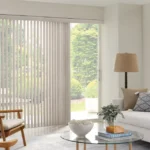
Blinds often complement clean, structured interiors. Wood blinds bring warmth to traditional décor, while aluminum and vinyl offer a sleek, modern edge. Vertical blinds work well for wide windows and sliding doors, while horizontal blinds are ideal for standard window sizes.
Shades lean toward versatility in fabric, color, and texture. Roman shades add elegance, roller shades provide minimalist appeal, and honeycomb shades bring a modern, energy-efficient look. For homeowners who want fabric that matches their home décor, shades typically offer more customization.
Light Control and Privacy
Blinds allow precise adjustments thanks to their tilting slats. Whether you need a little daylight or complete privacy, you can angle the louvers accordingly. However, even when fully closed, small light gaps may remain.
Shades excel at room darkening and blackout capabilities. Cellular and roller shades are particularly effective for bedrooms, media rooms, or any space where you want to reduce glare and outside light completely.
Energy Efficiency and Insulation
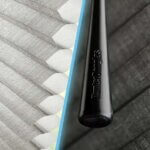
Shades often have the upper hand in insulation. Cellular (honeycomb) shades, for example, trap air in their honeycomb-shaped cells, adding a layer of energy efficiency by keeping interiors cooler in summer and warmer in winter.
Blinds, while not as insulating, still provide some energy savings when tilted to block direct sunlight. Faux wood and wood blinds also resist heat absorption, making them a solid option for sunny spaces.
Durability and Maintenance
Blinds are generally more durable, especially those made from faux wood, vinyl, or aluminum. They are also easier to clean—usually a quick dusting or wipe-down is all that’s required.
Shades require more care. Fabric can collect dust and may need occasional vacuuming or professional cleaning. However, higher-quality shades are designed for longevity and withstand daily use well.
Safety and Modern Features
For households with children or pets, cordless and motorized options are highly recommended. Both blinds and shades now offer cordless lift systems that enhance child safety.
Motorized shades, in particular, integrate seamlessly with smart home systems, allowing homeowners to control light and privacy with the touch of a button or voice command. Motorized blinds are also available, though shades tend to offer more advanced automation features.

Cost Considerations
Blinds are often more budget-friendly, with vinyl and aluminum options providing affordable yet functional coverage. Wood and faux wood blinds can increase the price, but remain cost-effective compared to many fabric shades.
Shades range widely in price depending on fabric, style, and customization. Cellular and Roman shades, for example, often cost more due to their design and energy-efficient properties.
Blinds vs. Shades: Quick Comparison
| Feature | Blinds | Shades |
|---|---|---|
| Design | Made of slats (wood, faux wood, vinyl, or aluminum) that tilt and lift | Single-panel fabric that rolls, folds, or stacks neatly |
| Style Options | Horizontal blinds, vertical blinds, wood, faux wood, aluminum | Roller shades, Roman shades, cellular (honeycomb) shades |
| Light Control | Precise adjustments with tilting slats; some light gaps remain | Excellent for blackout and room darkening; softer light filtering |
| Privacy | Good privacy, but slight visibility through slats possible | High privacy, especially with blackout or room-darkening fabrics |
| Energy Efficiency | Moderate; can block direct sunlight when angled | High; cellular shades insulate well against heat and cold |
| Durability | Very durable, easy to clean (wipe or dust) | Fabric requires more care; may need vacuuming or professional cleaning |
| Maintenance | Low maintenance; quick to clean | Moderate; fabric care needed |
| Cost | Budget-friendly options (vinyl, aluminum); wood is mid-range | Varies widely; roller shades affordable, Roman and cellular shades higher-end |
| Best For | Kitchens, offices, living rooms, sliding doors, high-traffic areas | Bedrooms, media rooms, nurseries, spaces needing insulation or blackout |
FAQs About Blinds vs. Shades
1. Which window treatment is better for small spaces: blinds or shades?
Shades are usually the better choice for small rooms since their fabric design adds softness without taking up much space. Roller shades, in particular, offer a clean look that doesn’t overwhelm compact areas.
2. Can blinds or shades increase my home’s resale value?
Yes, high-quality window treatments can enhance resale value. Wood blinds and custom shades, especially those that provide energy efficiency and style, are seen as upgrades that appeal to potential buyers.
3. Are blackout blinds or shades more effective?
Blackout shades are typically more effective than blinds because fabric panels block out nearly all incoming light. While blinds can darken a room significantly, light gaps around the slats make complete blackout harder to achieve.
Blinds vs. Shades: Make the Choice That Transforms Your Home
The blinds vs. shades decision comes down to what matters most in your home. If you prioritize durability, easy cleaning, and precise light control, blinds may be the right choice. If energy efficiency, blackout performance, and fabric customization are higher on your list, shades could be the better fit.
At Unique Perspective Window Coverings in Wilmington, NC, we help homeowners find window treatments that suit both lifestyle and design goals. Whether you’re leaning toward the timeless appeal of blinds or the modern versatility of shades, our team can guide you through the options.
Ready to enhance your home with the perfect window treatments? Contact us today for a free consultation and start transforming your windows with style and function.