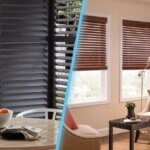
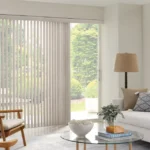
One of the most common questions homeowners ask when upgrading their windows is simple:
“Should I go with blinds, shades, or shutters?”
The problem is, there isn’t a one-size-fits-all answer.
Each option has its strengths, and the best choice depends on how you use the space, how much light you get, and what you want your home to feel like.
If you’re in Wilmington or the surrounding coastal areas, this decision becomes even more important. Sunlight, humidity, and daily use all play a role.
Let’s break it down in a way that actually makes sense.
Understanding the Core Differences
At a basic level:
-
Blinds = adjustable slats for flexible light control
-
Shades = continuous fabric for softer light and design
-
Shutters = solid, structured panels for durability and long-term value
Each serves a different purpose.
Blinds: The Most Versatile Option
Blinds are one of the most widely used window treatments for a reason.
They allow you to control light precisely without fully opening or closing the window.
You can:
-
Tilt them slightly for filtered light
-
Close them completely for privacy
-
Adjust throughout the day as needed
This flexibility makes them ideal for rooms where lighting conditions change often.
Best Rooms for Blinds:
-
Living rooms
-
Home offices
-
Kitchens
-
Bedrooms
Blinds are especially useful in coastal homes where sunlight shifts throughout the day.
Shades: Soft, Clean, and Modern
Shades operate differently. Instead of slats, they move as a single piece of fabric.
This creates a cleaner, more minimal look.
They’re perfect for homeowners who want:
-
Softer lighting
-
A more modern aesthetic
-
A design-focused solution
Shades also come in a wide variety of styles, including:
-
Roller shades
-
Roman shades
-
Honeycomb (cellular) shades
-
Woven wood shades
Many of these options are designed to improve energy efficiency and reduce heat from sunlight.
Best Rooms for Shades:
-
Bedrooms
-
Dining rooms
-
Living rooms
-
Coastal-facing windows
Shutters: The Long-Term Investment
Shutters are the most durable and permanent option.
They’re mounted directly to the window frame and become part of the home itself.
Unlike blinds or shades, shutters don’t just “cover” the window—they define it.
They offer:
-
Excellent light control
-
Strong privacy
-
Long lifespan
-
Increased home value
They’re also known for holding up well over time, making them a long-term investment.
Best Rooms for Shutters:
-
Living rooms
-
Master bedrooms
-
Street-facing windows
-
Homes where resale value matters
How to Choose Based on Your Lifestyle
Instead of asking “Which is best?”, ask:
“How do I use this room?”
If You Want Flexibility → Choose Blinds
Blinds are perfect for everyday usability and changing light conditions.
If You Want Style + Soft Light → Choose Shades
Shades create a more finished, designed look.
If You Want Durability + Value → Choose Shutters
Shutters are built to last and elevate the home overall.
Coastal Considerations Matter
In Wilmington and nearby areas, your choice should also factor in:
-
Humidity
-
Sun exposure
-
Salt air
-
Temperature swings
Certain materials perform better in these environments.
For example:
-
Faux wood blinds handle moisture well
-
Composite shutters resist humidity
-
Solar shades help reduce glare and heat
Choosing the right material is just as important as choosing the style.
Why Custom Beats Store-Bought Every Time
Big box store window treatments might seem cheaper—but they come with limitations:
-
Poor fit
-
Limited material options
-
Lower durability
-
Generic design
Custom window treatments are built specifically for your home, ensuring:
-
Perfect fit
-
Better performance
-
Longer lifespan
-
More design flexibility
That’s why companies like Unique Perspective focus on tailored solutions rather than one-size-fits-all products.
Blinds, shades, and shutters all have their place—it’s just about choosing the right one for the right space.
The best homes don’t pick one—they use a combination.
-
Blinds where flexibility matters
-
Shades where style matters
-
Shutters where durability matters
When done right, your window treatments don’t just cover your windows—they improve how your home looks, feels, and functions every day.